The Power of Mindfulness in Education: Helping Students Focus, Feel, and Flourish
In today’s fast-paced world, classrooms can feel more like race tracks than places of reflection. With homework piling up, social pressures peeking in, and digital distractions just a click away, students (and teachers!) can quickly feel overwhelmed. That’s where mindfulness comes in—a simple but powerful tool that’s changing the game in education.
What Is Mindfulness, Anyway?
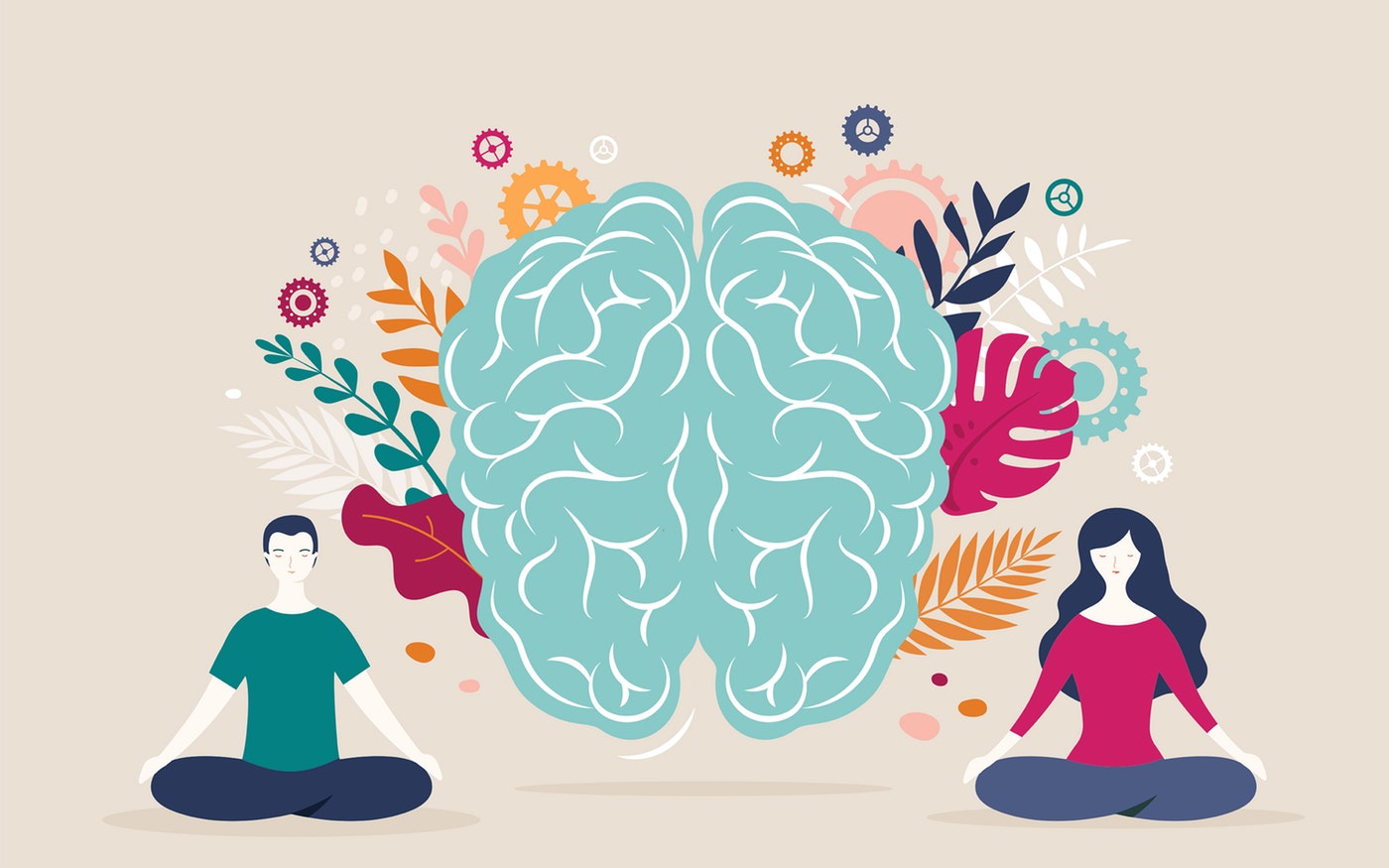
Mindfulness means paying attention to the present moment on purpose and without judgment. It’s like tuning in to your thoughts, feelings, and surroundings, instead of letting your mind run on autopilot. Think of it as a mental pause button—a way to slow down and actually be where you are.
In an educational setting, mindfulness isn’t just deep breathing in gym class or meditation on a yoga mat (though those help too!). It’s about helping students develop awareness, self-regulation, and emotional strength. And guess what? The research backs it up.
The Mindful Classroom: Why It Works
1. Improved Focus and Attention
When students learn to quiet the mental noise, they become better listeners, stronger readers, and more engaged learners. Regular mindfulness practice has been shown to increase attention span and reduce impulsivity. It’s like clearing the fog off the windshield—suddenly, learning feels clearer and more doable.
2. Reduced Stress and Anxiety
Tests. Deadlines. Social drama. Students carry a lot. Mindfulness gives them tools to notice anxious thoughts without letting those thoughts take over. A few moments of grounding breath can shift a chaotic mind into a calm, capable one.
3. Better Emotional Regulation
Mindfulness helps students recognize emotions without reacting on impulse. Instead of lashing out or shutting down, they learn to pause, reflect, and respond. This skill isn’t just good for the classroom—it’s a lifelong superpower.
4. Stronger Relationships and Empathy
When students become more aware of their own feelings, they naturally become more aware of others’. Mindful kids are more likely to cooperate, resolve conflicts peacefully, and support their peers. In short, they help build a better classroom culture.
Real-Life Mindfulness Moments for the Classroom
The best part? Mindfulness can be woven into the school day in small, simple ways:
- Mindful Mondays: Start the week with 2 minutes of guided breathing or silent reflection.
- Sensory Check-ins: “What can you see, hear, feel, smell right now?” is a great way to anchor focus before a lesson.
- Gratitude Circles: Once a week, invite students to share something they’re thankful for. It shifts the mindset and strengthens bonds.
- Mindful Movement: Gentle stretches or walking meditations help students reconnect with their bodies and recharge their brains.
It’s Not Just for Students
Mindfulness benefits teachers too! Educators who practice mindfulness report lower stress levels, greater job satisfaction, and deeper connections with their students. A calmer teacher creates a calmer classroom—it’s a ripple effect worth starting.
In a Nutshell…
Mindfulness isn’t about zoning out. It’s about tuning in—to the moment, to ourselves, and to each other. In the classroom, this simple practice can transform chaos into calm, distraction into focus, and stress into strength.
So whether you’re a teacher, parent, or student, don’t underestimate the power of a deep breath. That one moment of stillness might just spark a lifetime of learning.