The Role of Parents in a Student’s Academic Success: Dos & Don’ts
Every parent wants their child to succeed in school. But when it comes to academics, there’s a fine line between being supportive and being overbearing. The truth is, parental involvement can make a huge difference — but how you get involved matters just as much as how much.
Let’s break it down with some practical dos and don’ts to guide parents in playing a healthy, effective role in their child’s academic journey.
✅ DO: Encourage a Growth Mindset
Instead of focusing only on grades, praise effort, persistence, and problem-solving. When children believe that intelligence can be developed, they are more likely to embrace challenges and keep trying even when things get tough.
Example: Instead of saying, “You’re so smart,” try, “I’m proud of how hard you worked on that assignment.”
❌ DON’T: Compare Your Child to Others
Every student learns at their own pace. Comparing your child’s performance to classmates or siblings can lead to low self-esteem and unnecessary pressure.
Remember: The only healthy competition is with yesterday’s version of themselves.
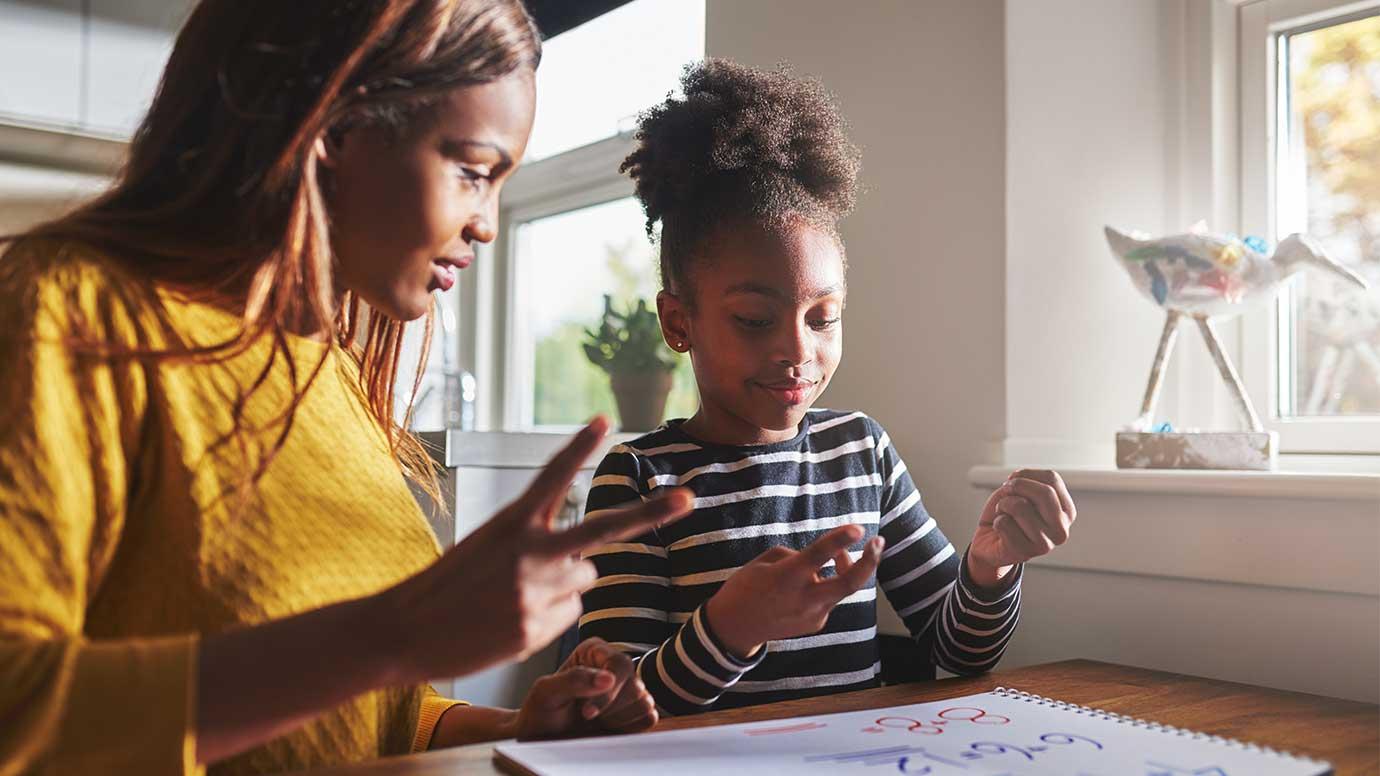
✅ DO: Create a Positive Learning Environment at Home
A quiet, organized study space free from distractions can do wonders for focus. Even small routines — like setting a specific study time each evening — help kids build good habits.
Pro tip: Keep supplies like notebooks, pencils, and a dictionary within easy reach to cut down on excuses and interruptions.
❌ DON’T: Micromanage Every Assignment
It’s tempting to hover and check every detail of homework, but doing the work for your child robs them of the chance to learn responsibility and problem-solving.
Instead: Be available for guidance and questions, but let your child take the lead.
✅ DO: Communicate with Teachers
Parents and teachers are a team. Stay updated on your child’s progress, ask questions during parent-teacher meetings, and be open to feedback. Teachers often have valuable insights into your child’s learning style and needs.
❌ DON’T: Focus Only on Academics
Education is more than test scores. Encourage extracurriculars, hobbies, and time with friends. A well-rounded child often performs better academically because they are less stressed and more motivated.
✅ DO: Model Lifelong Learning
Children are natural imitators. If they see you reading books, asking questions, and showing curiosity, they’ll mirror those habits. Learning should feel like an exciting, lifelong journey — not just something that ends with school.
Final Thoughts
Parents don’t need to be perfect — they just need to be present in the right way. By encouraging effort, supporting independence, and fostering a positive environment, you’re not only helping your child succeed in school but also preparing them to thrive in life.
Remember: Success in academics isn’t about being the best — it’s about doing your best, consistently.